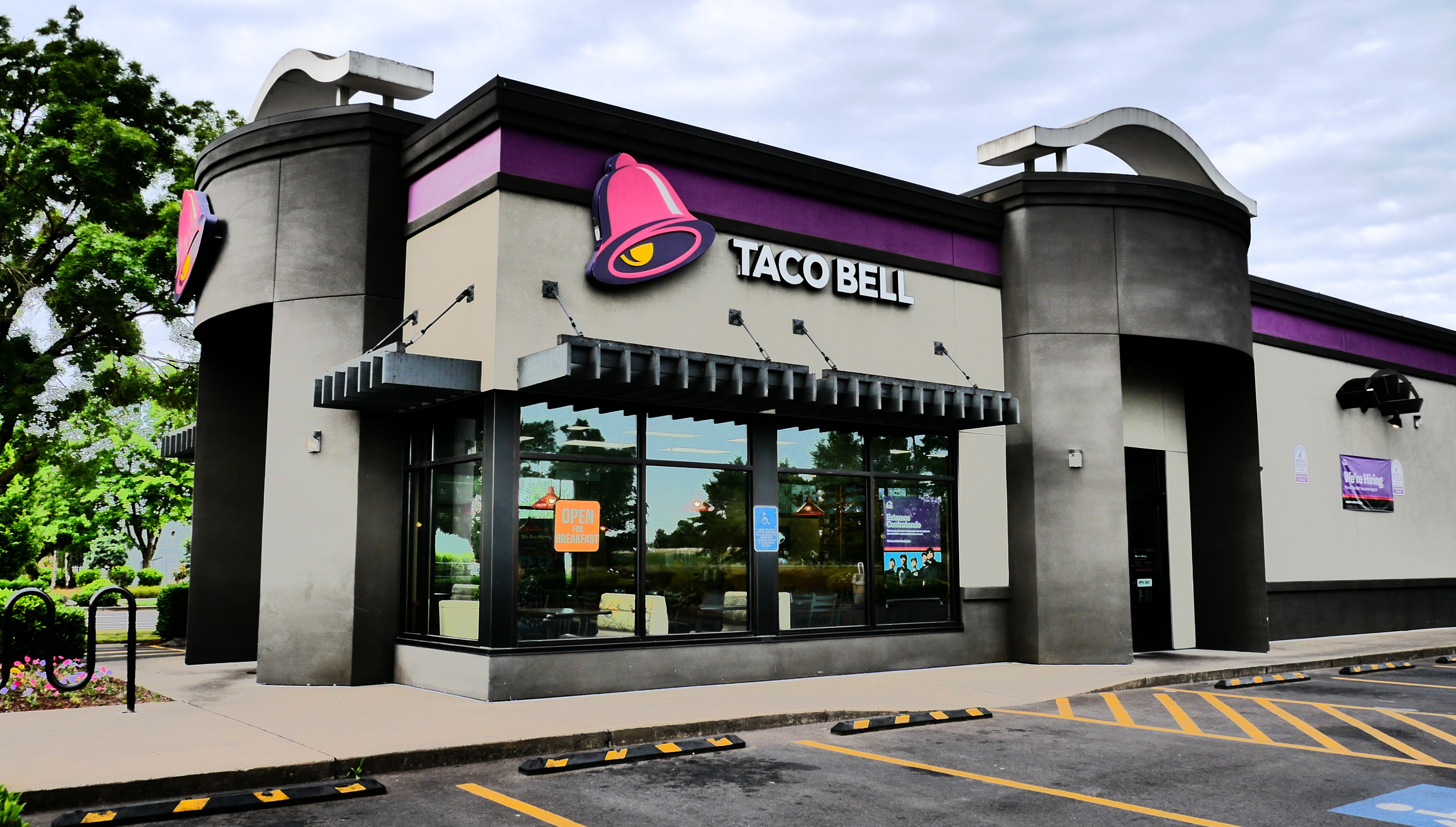
Federal health officials confirmed Thursday, July 16, that shredded iceberg lettuce served at Taco Bell restaurants in Ohio and four other states is a source of the Cyclospora outbreak that has sickened 1,274 Ohioans. Four Taco Bell locations operate in West Chester Township and Liberty Township.
The CDC issued a warning late Thursday telling consumers not to eat shredded iceberg lettuce from Taco Bell locations in Indiana, Kentucky, Michigan, Ohio and West Virginia. The FDA's traceback investigation identified a single supplier of iceberg lettuce from Mexico.
Taco Bell said Thursday it had "indefinitely removed" the affected lettuce from its supply chain nationwide and would replace it within 24 hours in affected states. The company did not name its supplier.
Sources familiar with the investigation, cited by CNN and other outlets, identified Taylor Farms as the supplier. The federal advisory did not officially name the company. Taylor Farms also supplies grocery chains including Walmart, Kroger, Costco and Target, though no federal warning has been issued for retail lettuce products.
Local locations affected
Taco Bell operates restaurants at 7757 Tylersville Road and 8126 Princeton-Glendale Road in West Chester, and at 6979 S. Liberty Drive and 4345 Hamilton Middletown Road in Liberty Township. All Ohio locations fall within the CDC's warning area.
Ohio cases surging
The Ohio Department of Health reported 1,274 confirmed cases as of Thursday, July 16, up from 364 on Wednesday, July 15. The sharp jump reflects a backlog of lab confirmations catching up to infections that began weeks earlier. The CDC noted a six-week reporting lag between illness onset and case confirmation, meaning the true count is likely higher still.
Nationally, the CDC confirmed 1,645 lab-confirmed cases and at least 141 hospitalizations as of Wednesday, July 15, with an additional 5,100 suspected cases under investigation. No deaths have been reported. The combined total has surpassed the previous U.S. record of approximately 4,700 cases set in 2019, according to CDC data cited by The Guardian on Friday, July 17.
The CDC expects the outbreak to continue through August, according to its Thursday, July 16, update.
What residents should know
Cyclosporiasis does not spread person to person. People become infected by consuming contaminated food or water. Symptoms typically appear about a week after exposure but can take up to two weeks, making it difficult for patients to recall what they ate.
Ohio Department of Health Director Dr. Bruce Vanderhoff advised residents on Wednesday, July 15, to skip bagged and prepackaged salads and instead buy whole heads of lettuce that can be washed leaf by leaf. He noted that locally grown Ohio produce may also be contaminated.
"One of the interesting things about this is you can feel like you are getting better, and then it comes back," Vanderhoff said Wednesday. "And it will wax and wane for weeks in some cases, so if you've got a severe case of diarrhea, go to the doctor."
Symptoms include watery diarrhea, cramping, bloating, nausea and low-grade fever. The illness is typically treated with antibiotics and is not usually life-threatening. Heating food to 158 degrees Fahrenheit kills the parasite.
How to report illness
The Butler County General Health District had not issued a specific statement about the outbreak as of Friday, July 17. Residents with questions can call the district at 513-863-1770 or visit health.bcohio.gov.