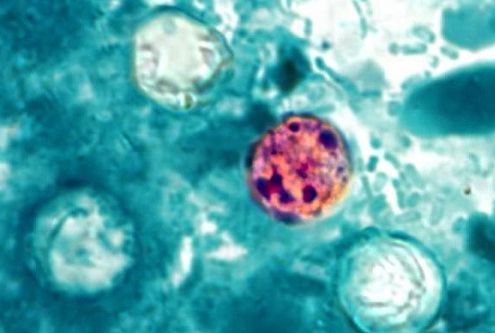
Ohio's Cyclospora case count surged from 364 to 1,274 in a single dashboard update Thursday, July 16, according to the Ohio Department of Health's infectious diseases dashboard. The jump reinforces the Middletown Health Department's July 11 warning to Butler County residents about the parasite spreading through contaminated produce across the region.
Hamilton County, which borders Butler County to the south, reported 17 confirmed or probable cases as of Thursday, according to Hamilton County Public Health. Forty-six Ohioans have been hospitalized statewide. No deaths have been reported.
A Butler County-specific case count has not been publicly released.
What residents should know
Cyclospora is a microscopic parasite spread through contaminated produce, not person to person. Symptoms typically appear about a week after infection and include frequent, watery diarrhea, bloating, cramping, nausea, fatigue, and low-grade fever. Without treatment, the illness can last a month or longer.
"One of the interesting things about this is you can feel like you are getting better, and then it comes back. And it will wax and wane for weeks in some cases, so if you've got a severe case of diarrhea, go to the doctor," ODH Director Dr. Bruce Vanderhoff said Tuesday, July 15, in an interview with the Statehouse News Bureau.
The standard treatment is the antibiotic trimethoprim-sulfamethoxazole, sold as Bactrim or Septra, taken for seven to 10 days.
The outbreak's scope
The CDC confirmed 1,645 domestically acquired cases nationally as of Wednesday, July 15, with 141 hospitalizations. The agency is reviewing more than 5,100 additional reports and expects infections to keep climbing through August. The 2026 national case total is four times higher than at the same point in 2025, according to CDC data.
At least four Midwestern states are affected: Ohio, Michigan, West Virginia, and Kentucky. Cases are linked to illness onset on or after Monday, June 22. No specific food item has been confirmed as the source, though past outbreaks have been tied to lettuce, bagged salad mixes, cilantro, basil, and berries.
Vanderhoff said Thursday that Ohio's northwestern counties are disproportionately impacted but cautioned that locally grown produce may also carry the parasite.
How to protect your family
Hamilton County Public Health and the ODH recommend these steps:
- Wash hands with soap and water for at least 20 seconds before and after handling raw produce.
- Wash all fruits and vegetables thoroughly under running water. Scrub firm produce like melons with a clean brush.
- Buy whole heads of lettuce rather than bagged or prepackaged salads, and remove the outer two or three leaves before washing.
- Refrigerate cut, peeled, or cooked produce within two hours.
Vanderhoff also advised washing the outside of melons before cutting into them, since a knife can drag surface contamination through the fruit.
Residents who develop persistent diarrhea or other symptoms should contact their healthcare provider. Hamilton County Public Health can be reached at 513-946-7800 or hcph.org.