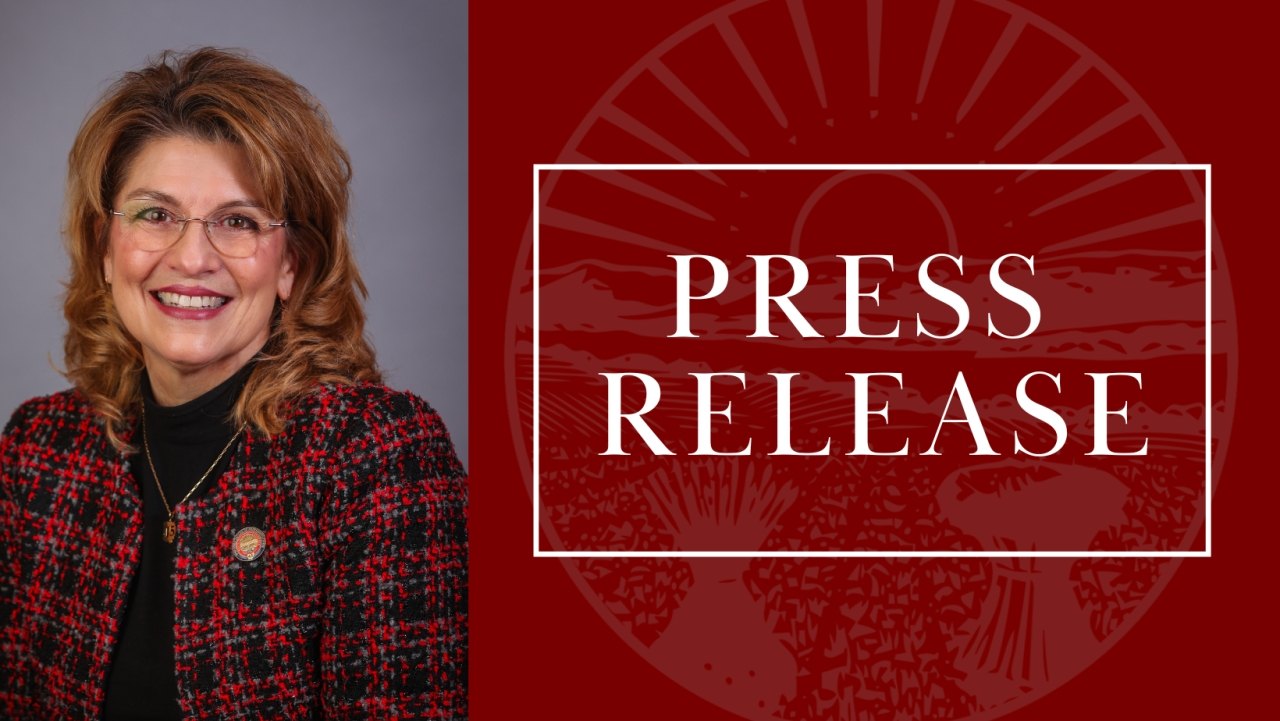
State Rep. Jennifer Gross, a West Chester Republican, is calling on Ohio to act on a state audit that found more than $2 million in Medicaid benefits paid to people who were ineligible or dead.
Gross outlined four fixes in a statement posted to the Ohio House website on Wednesday, Sept. 23. She said some changes can begin under current law without waiting for the next state budget.
The audit, released Tuesday, Sept. 22, by Ohio Auditor of State Keith Faber, examined the Medicaid Aged, Blind and Disabled program, known as ABD. The program covers roughly 498,885 Ohioans, including older adults and people with disabilities who cannot afford their own care.
Faber's office sampled 1,500 enrollees and found 49, or 3 percent, were not eligible. Twenty-five of those did not meet asset limits. Three had more than $1 million at their disposal, Richland Source reported. Benefits paid on behalf of the 49 ineligible individuals totaled $356,541.
Separately, 3,172 people in the full ABD population had died but remained enrolled. Nearly $1.8 million in benefits was paid on their behalf.
"Every dollar they spend on people who aren't eligible for public resources is a dollar that's not helping the truly needy among us," Faber said in a statement.
The Columbus Dispatch reported that Faber's office said the problems had been known since at least 2019 "but have either gone unaddressed or have received an inadequate response" from the Ohio Department of Medicaid.
Gross, who represents Ohio House District 45, laid out four steps. She wants the state to match death records and end coverage for deceased enrollees. She called for verifying assets on time instead of relying on automatic renewals. She also wants the state to repair the eligibility process by replacing outdated applications and training county staff, and to complete the review of the remaining ABD population with a public plan and deadlines.
In her statement, Gross said death-record matching and asset verification using existing tools could begin during the lame-duck legislative session. Larger system upgrades, she said, belong in the next operating budget.
The 2026–27 biennial state budget, House Bill 96, required and funded the auditor's ABD review. The same bill abolished the Joint Medicaid Oversight Committee, on which Gross previously served.
Ohio Medicaid, which administers roughly $40 billion in health care coverage for about 3 million Ohioans, said in a statement that it is reviewing the interim report and has begun implementing improvements. The department said its overall payment error rate is about 2 to 3 percent, which it called below the national average.
The national Medicaid improper payment rate is 6.12 percent, according to the Centers for Medicare and Medicaid Services.
The auditor's office will next review the remaining ABD enrollees to determine the full scope of eligibility problems. Ohio Medicaid has not announced a deadline for the corrective action plan.