Ohio Gov. Mike DeWine signed an executive order Tuesday, Oct. 13, giving the state's colleges the option to let Class of 2022 athletes play a fifth season despite NCAA rules barring them.
Executive Order 2026-04D took effect immediately. It bars any Ohio public or private college from enforcing NCAA limits that would prevent a 2022 high school graduate from competing in the 2026-27 academic year, according to WLWT. Each university decides whether to use the authority.
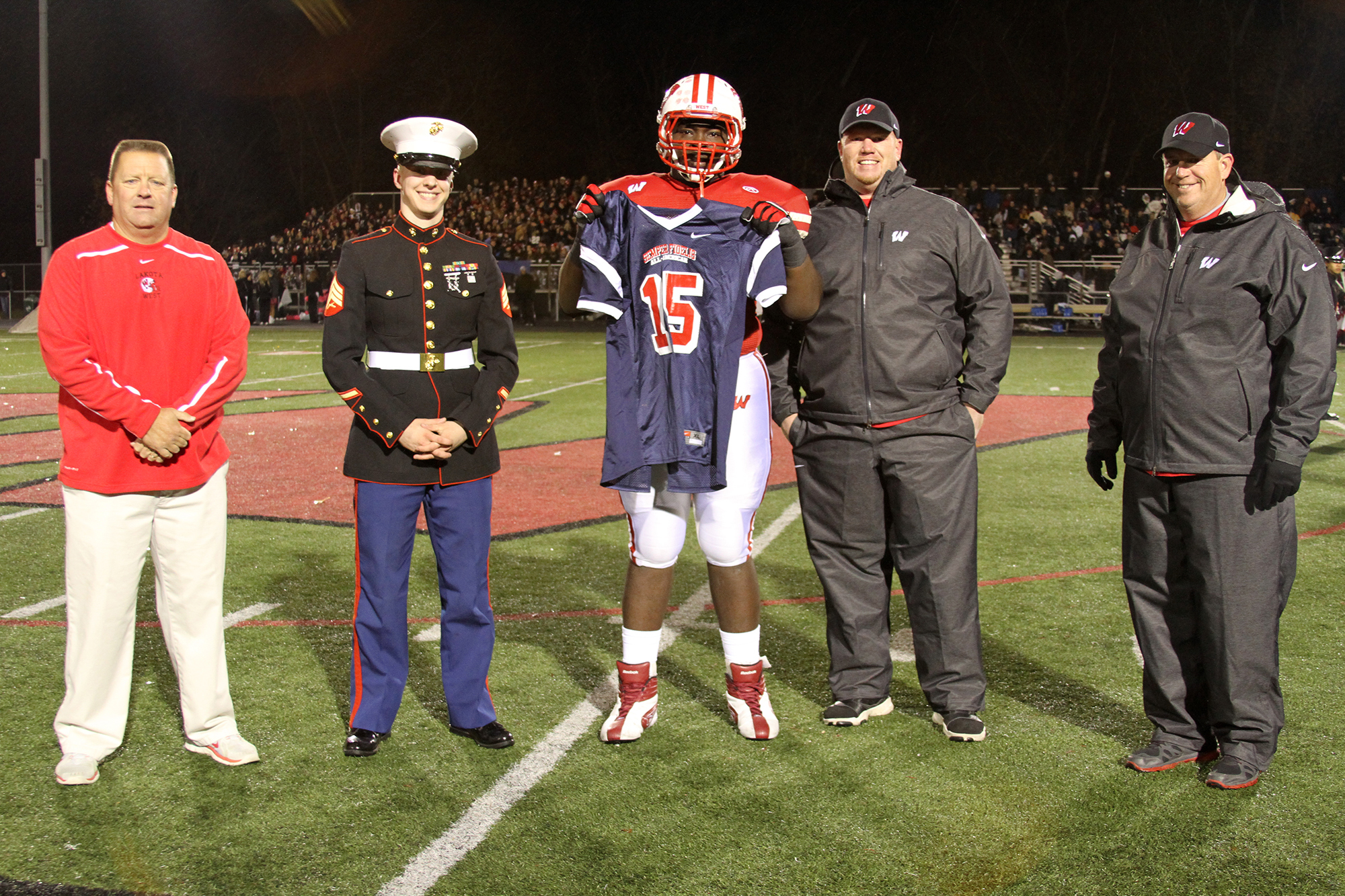
The order carries a direct local thread. Lakota West's Class of 2022 sent 48 athletes to college programs, according to the Firebirds' athletics page. That class included football signees to Ohio State, including Jyaire Brown and Tegra Tshabola, though whether any remain eligible at Ohio schools could not be confirmed.
Two of the most prominent Firebird graduates from that class, linebacker Alex Afari Jr. and offensive lineman Tshabola, now play at the University of Kentucky. Because DeWine's order covers only Ohio institutions, it does not directly restore their eligibility, the Cincinnati Enquirer reported.
Afari played in 10 games for Kentucky under a court injunction before the Kentucky Court of Appeals dissolved it Oct. 2, ruling him ineligible. He recorded 61 tackles, 7.0 tackles for loss and 2.5 sacks during his 2025 senior season and earned a spot on the Butkus Award Watch List.
At Lakota West, Afari earned first-team Division I All-Ohio honors as a senior in 2021 under coach Tom Bolden, helping the Firebirds to an 11-2 record.
Tshabola transferred to Kentucky after three seasons at Ohio State, where he started all 16 games at right guard in 2024 and helped the Buckeyes win the College Football Playoff national championship. His situation differs: he redshirted in 2022, so his fifth year may fall under the standard eligibility model rather than the disputed rule.
Charlie Kenrich, a tight end from Lakota East who signed with Purdue as part of the same 2022 class, appeared in one game as a freshman before entering the transfer portal. His current status could not be confirmed.
The NCAA's new eligibility model, adopted in June, gives athletes five years to play five seasons. The clock starts when an athlete turns 19 or first enrolls full-time, whichever comes first. The 2022 class was not grandfathered in, cleveland.com reported, triggering legal fights nationwide.
"The Governor of Ohio cannot legislate NCAA eligibility rules," NCAA President Charlie Baker wrote in a letter to member schools on Oct. 13. "One elected official seeking to make their own rules for their own schools' advantage is a terrible way to run athletic competitions."
DeWine framed the order as a fairness issue, saying in a statement, "We want Ohio's student-athletes to have the same opportunity as student-athletes in other states."
The order landed the same day a three-judge panel of the U.S. 10th Circuit Court of Appeals in Denver heard oral arguments in Wisne v. NCAA. A lower court had granted all 2022 graduates a fifth year before an appeals court blocked the ruling. The panel did not immediately rule.
The U.S. Senate passed the Protect College Sports Act on Sept. 28 by a 77-22 vote. The bill would give the NCAA a limited antitrust exemption to enforce its eligibility rules. The House has not voted on it and is on recess until after the November midterm elections.
No Ohio Division I program had publicly responded to the order as of Tuesday evening.