A state lawmaker is calling on Ohio to halt all automatic license plate readers statewide, a move that puts Liberty Township's own 10-camera Flock system squarely in the debate.
Rep. Karen Brownlee, a Symmes Township Democrat, issued a statement Oct. 15 calling for an "indefinite pause" on the technology after Hamilton County Prosecutor Connie Pillich announced a felony indictment against Sharonville Police Lt. Walter Cordes, as first reported by WLWT.
Cordes, 48, is charged with unauthorized use of a computer or telecommunication property, a fifth-degree felony punishable by up to 12 months in prison. Investigators allege he used the Flock camera system 29 times between Dec. 19, 2024, and April 20, 2026, to track someone he knew for personal reasons, according to the prosecutor's office.
The alleged misuse surfaced in June through a self-report during a department audit. Prosecutors said Cordes admitted to the searches during an interview, which prompted an investigation by the Hamilton County Sheriff's Office.
Brownlee urged legislators to act during the lame-duck session following the November election. "The use of Automatic License Plate Readers (ALPR) must be placed on an indefinite pause," she said in her statement. She called on lawmakers to require transparency from technology companies and build automatic safety tools into their products.
Liberty Township's $30,000-a-year system
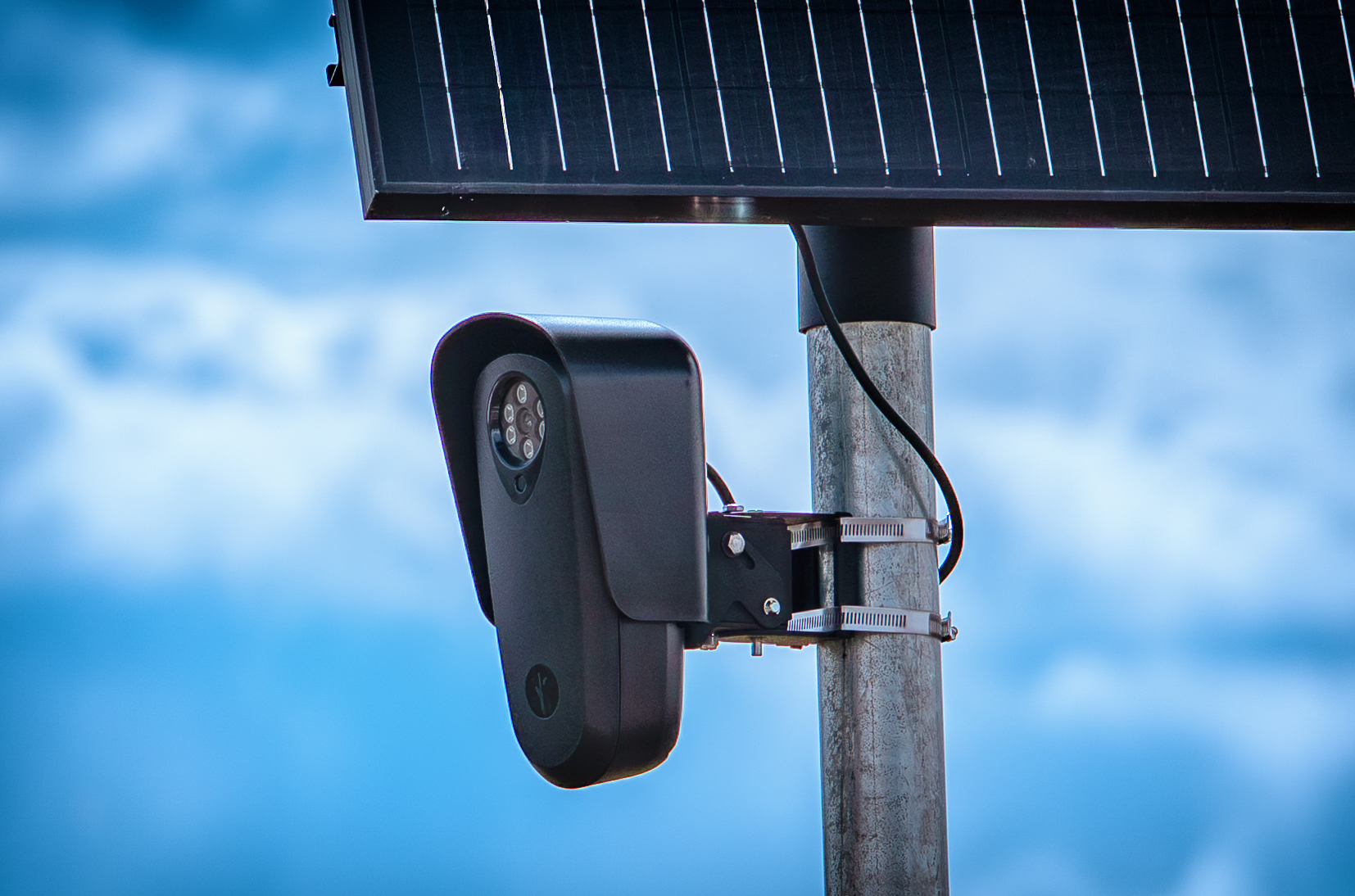
Liberty Township installed 10 solar-powered, rear license plate readers on its outskirts earlier this year at a cost of about $30,000 annually, according to WCPO. The expense is folded into the township's monthly payments to the Butler County Sheriff's Office, which provides police service.
Lt. Michael Nutt, who oversees the Liberty Township substation, said at the time that every officer who accesses the database must log a reason for the search. "The system can only be used for investigational purposes," Nutt said, adding that audits would be conducted to prevent personal misuse.
That type of audit is the same mechanism that flagged Cordes's alleged searches in Sharonville, according to prosecutors.
Butler County sheriff stands firm
Butler County Sheriff Richard Jones said in a Sept. 3 livestream that his department would keep using the cameras. "We use it to solve crimes, from misdemeanors to murders," Jones said, according to WLWT. He added that officers who abuse the system "they've either been fired or they've been arrested."
Jones also said he had spoken with state lawmakers about stronger regulations.
Growing regional pushback
The Cordes indictment is the latest in a string of events that have shaken confidence in the technology across Greater Cincinnati. The Hamilton County Sheriff's Office officially ended its 75-camera Flock program in early October after suspending it in September, citing resident concerns about data access and privacy, according to WCPO.
Monroe City Council voted Sept. 22 to shut down its Flock system. Newport, Independence, Fort Mitchell, Erlanger, Fort Thomas, Edgewood, Pierce Township and Oxford also ended their programs over the summer, according to WLWT.
At the state level, Ohio lawmakers have introduced several legislative proposals to restrict or ban the cameras. House Bill 1009, the only bipartisan effort so far, would punish individual officers who misuse the system, according to WCPO.
No public statement from Liberty Township or the Butler County Sheriff's Office regarding Brownlee's pause demand appears in public records as of publication.