An Ohio appeals court ruled Oct. 15 that the state's EdChoice voucher program is unconstitutional. The decision lands two weeks before Lakota Local Schools asks voters to approve a $223 million bond.
As we reported Oct. 15, the Tenth District Court of Appeals unanimously found that Ohio's universal voucher program violates the state constitution by funding a separate system of private schools with taxpayer dollars, according to WCPO. The court stayed its decision, meaning EdChoice continues to operate while the case moves toward the Ohio Supreme Court.
More than 300 public school districts sued over the program through the coalition Vouchers Hurt Ohio.
What the court found
Judge David Leland, writing for the three-judge panel, said the name "EdChoice" is misleading because private schools, not parents, decide which applicants to accept. Leland wrote that the program "secures with taxpayer funds a competing system of uncommon schools that is not subject to the same obligations imposed on Ohio's system of common schools."
The court cited more than $1.4 billion in taxpayer spending on vouchers. It found the program draws money and students away from public districts, creating financial hardship and making it harder for districts to pass local levies, according to NBC4.
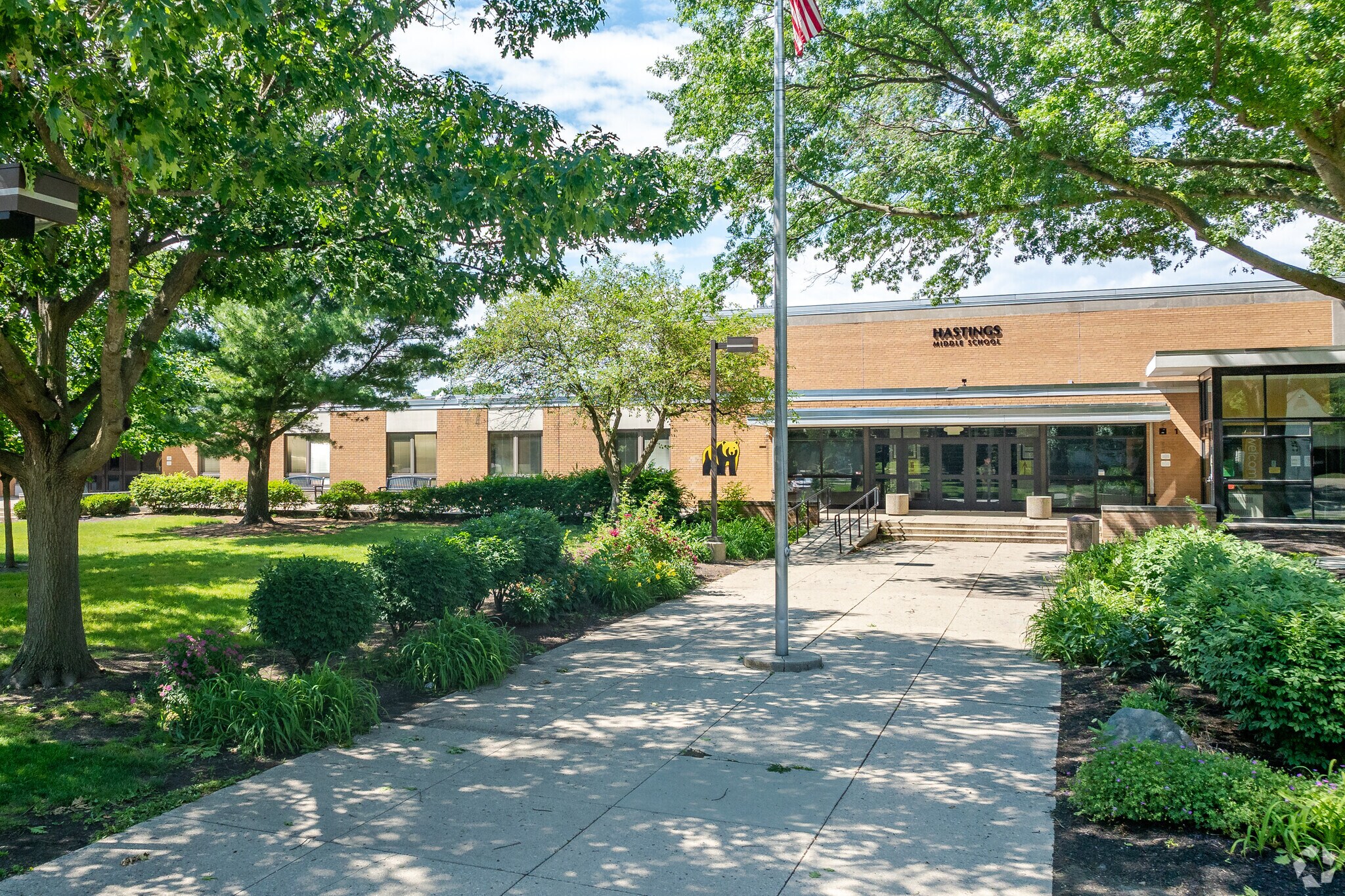
That levy connection matters locally. Lakota voters will decide Tuesday, Nov. 3, on a 37-year, $223 million replacement bond issue to renovate sixth- through 12th-grade buildings. The 2.20-mill bond would cost about $77 per $100,000 of home value and would begin collecting in 2029, after an existing 2.23-mill bond expires in 2028. The district says the replacement bond will not increase taxes, WVXU reported.
Lakota's board approved this smaller version in June after voters rejected a larger $506 million bond in November 2025. The district currently enrolls more than 17,000 students and projects enrollment will reach 19,000 by 2033.
Nothing changes yet
Ohio Attorney General Andy Wilson said in a statement that the program will continue uninterrupted as the state appeals to the Ohio Supreme Court, which holds a 6-1 Republican majority. Wilson assured families that "there is no immediate impact from the ruling," according to the Columbus Dispatch.
School Choice Ohio President Yitz Frank echoed that message. "If you're a parent with a child in a private school that's using a scholarship to attend, nothing changes for you, and nothing's going to change until the Supreme Court rules," Frank told WCPO.
state Sen. Andrew Brenner, a Delaware Republican, called the appeals court ruling "political" and questioned its timing ahead of the Nov. 3 election, according to the Dispatch.
Two sides of the debate
About 180,000 Ohio students currently receive EdChoice scholarships after lawmakers expanded the program to near-universal eligibility in 2023. Before that, vouchers were limited to students in certain low-income areas or those who met other criteria.
Frank warned that if the ruling stands, it would have "a devastating effect on 180,000 students that currently participate in Ohio scholarship programs," according to Ohio's Statehouse News Bureau.
Former Ohio Supreme Court Chief Justice Eric Brown, who chairs the Vouchers Hurt Ohio steering committee, took the opposite view. Brown said lawmakers "should be using tax dollars to fund a single system of common schools open to all children."
Ohio House Speaker Matt Huffman, a Lima Republican, said in a statement that school choice programs have been upheld by the U.S. Supreme Court and other courts. One appeals court ruling "will not affect that," Huffman said.
More than 130 education-related issues will appear on Ohio ballots in November. Lakota's bond vote is Nov. 3.