Lakota Local School District voters are deciding Tuesday, Nov. 3, whether to approve Issue 2, a $223.5 million bond request to help fund a $300 million facilities plan. The proposal would expand and update schools, reorganize grade levels and reduce the district’s building count from 21 to 18.
Polls close at 7:30 p.m. Eastern. Unofficial returns will be available through the Butler County Board of Elections’ live results page.
What Issue 2 asks
The county’s certified legal notice sets the borrowing request at $223,483,492, with a maximum repayment period of 37 years. Authorized uses include school construction and renovations, safety and security improvements, equipment, site improvements and land acquisition.
A vote for the bond issue authorizes the borrowing and property taxes to repay it. A vote against rejects the request.
The county auditor estimates the tax at 2.2 mills, or $77 annually per $100,000 of the county auditor’s market value. At that estimate, the new bond would cost about $308 a year on a $400,000 home. The first tax payment would be due in 2029.
What the tax comparison means
Lakota says approximately 2.2 mills of existing bond taxes will roll off by the end of 2028. With the proposed bond beginning collections in 2029, the district does not anticipate an increase in its current bond tax rate.
That comparison is with the rate taxpayers currently pay. It does not mean the new bond has no cost, or guarantee that a household’s total property-tax bill will stay unchanged. Without a replacement bond, taxes associated with the retiring debt would end.
The opposition website ProtectLakotaKids, paid for by Citizens PAC, argues that voters should reject Issue 2 and allow those taxes to expire. The choice is whether to authorize new facilities debt as existing debt is paid off.
Which schools would change
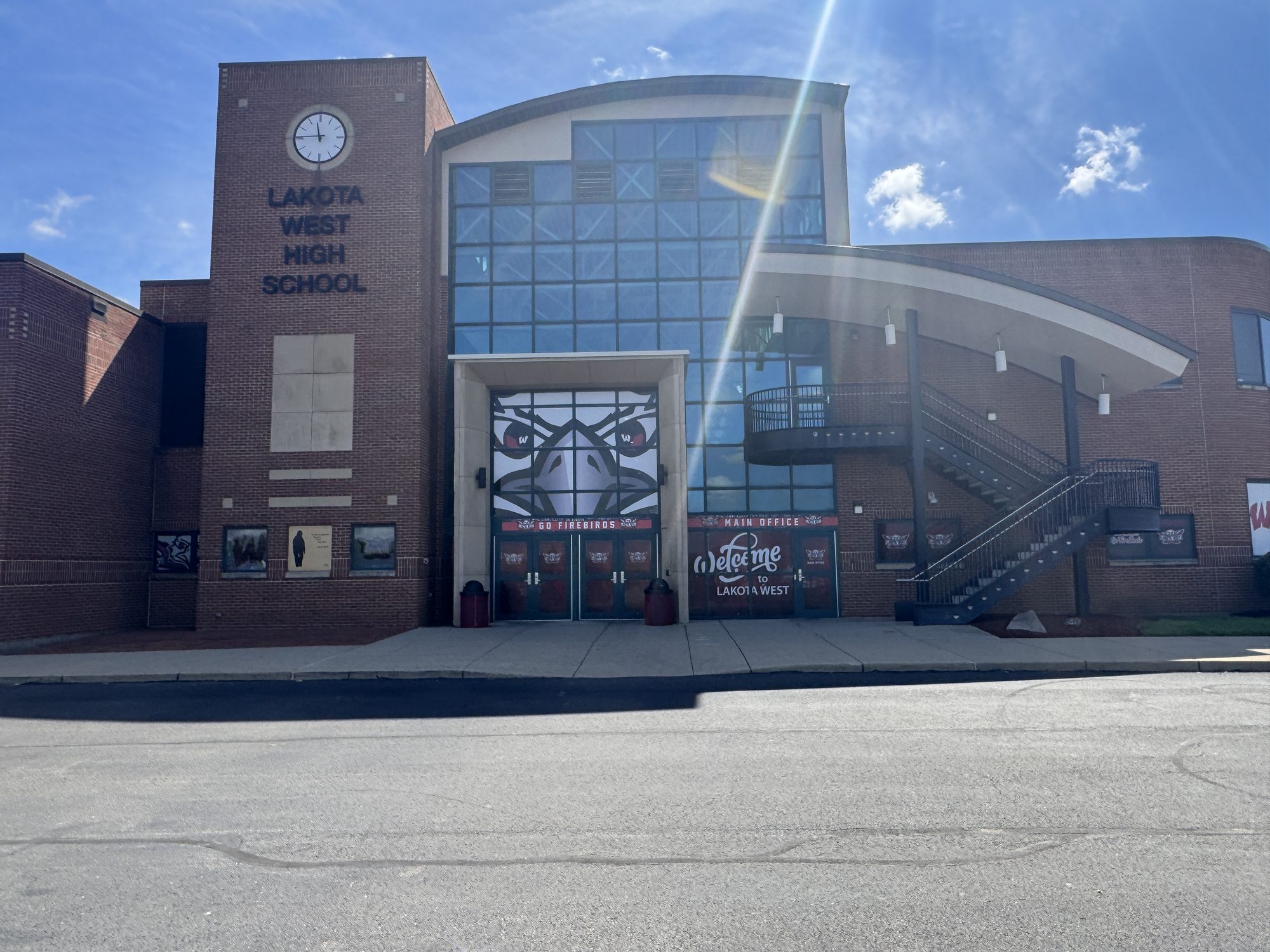
According to the district’s current construction outline, Lakota East and Lakota West high schools would receive additions. Plains Junior and East Freshman would receive both renovations and additions. The plan also includes smaller updates at the 13 remaining elementary buildings.
Three buildings would be taken out of service: Adena Elementary, Ridge Junior and the building housing West Freshman, Creekside and Lakota Central. The project budget includes demolition costs; the district says future uses of those sites have not been decided.
The new grade configuration would group students into preschool, kindergarten through fifth grade, sixth through eighth grade, and ninth through 12th grade. Freshmen would join the main high school campuses.
Local 12 reported Nov. 2 that Superintendent Ashley Whitely said the plan would reduce school transitions, expand learning opportunities and improve bus-route efficiency. Those are the district’s projected benefits.
Funding and construction schedule
The estimated project cost is $300 million, rather than a $300 million local bond request. Lakota’s funding outline identifies $77 million in state co-funding through the Ohio Facilities Construction Commission, with roughly $223 million coming from the local bond.
The district’s current FAQ projects construction from June 2027 through July 2029, with students occupying the facilities in August 2029. Demolition would follow after students move. These dates depend on voter approval and the project schedule.
The FAQ says an unsuccessful November vote would leave two additional opportunities to secure voter approval before the state reallocates the $77 million.
A smaller proposal than in 2025
Voters rejected a $506 million bond request in November 2025. As WVXU reported through Ideastream, the school board voted unanimously June 9 to place the smaller, revised proposal on the November 2026 ballot.
Although early coverage described the revised proposal as a first phase, Lakota corrected that description in September: this is the current facilities plan in full.
Separate from an operating levy
The facilities bond would fund buildings, not teacher salaries or other daily operating expenses. Lakota’s FAQ forecasts a separate operating levy for 2028, while cautioning that the financial forecast is a snapshot in time. It does not specify a millage for that future proposal.
Approval of Issue 2 would not itself authorize an operating levy.